
Real America @ 250 Lessons for Today
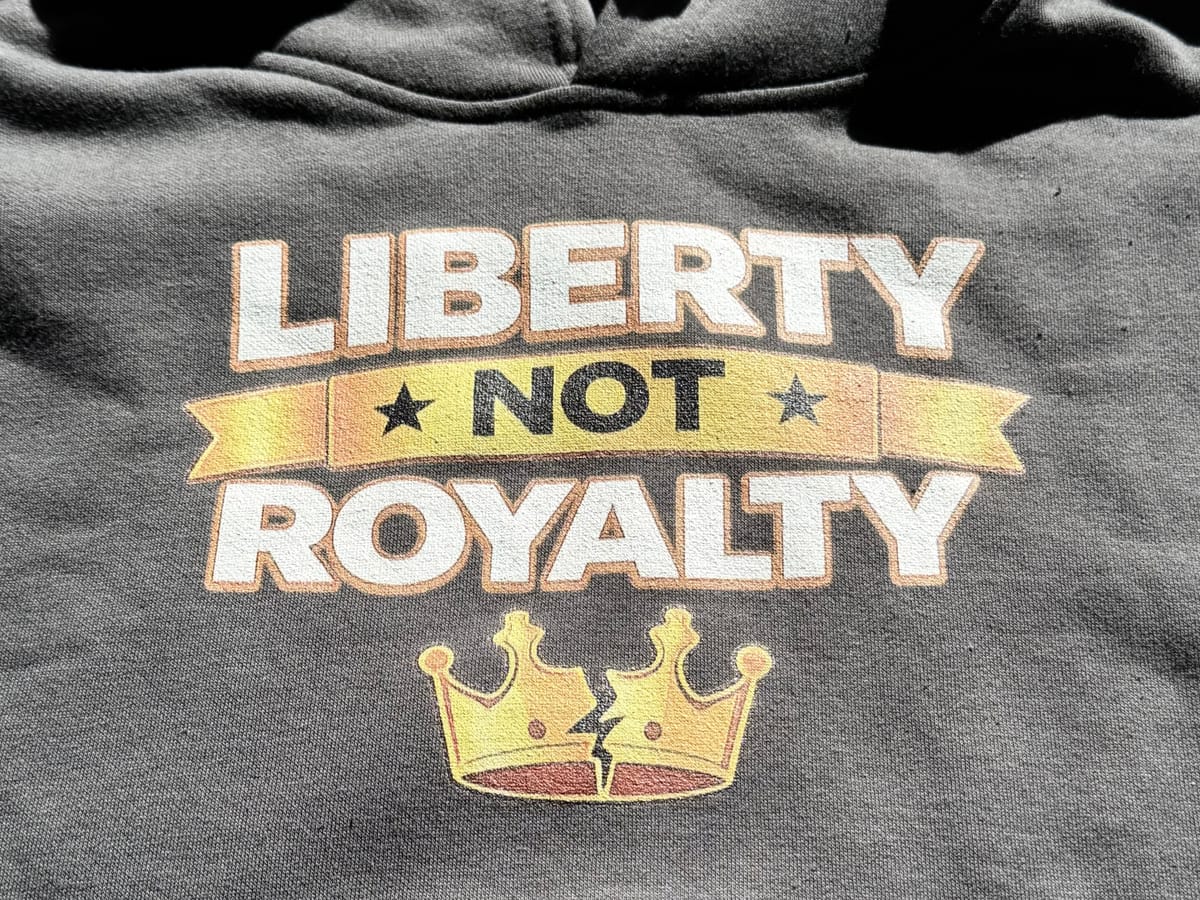
Perspective is hard when it seems each week our own mad King does more damage at home and abroad. But we can get some perspective from looking at the real lessons of the birth of the US 250 years ago, rather than celebrating superficial symbols and slogans.
If you look at what actually happened 250 years ago and how people made it happen, you can see five important lessons for today – for right now, in the run-up to March 28/No Kings #3:
1. Organize locally, collaborate “globally.”
The key political action was local, in each colony and city. Local activists and organizations acted. They didn’t wait for permission from above. Committees of Correspondence were crucial in building alliances horizontally among local activists across geography, at a time when communication was far more difficult that it is now.
2. Meet people where they are.
The Declaration only won approval in 1776 because a literal revolution in Pennsylvania ousted the anti-independence Assembly there. That effort succeeded in part because its leaders didn’t sit in Philadelphia talking smugly to each other. They sent out an ally with Scots-Irish roots to the immigrant communities at Lancaster and York, where his family background provided an entree with those communities and whose fluency in German helped with the so-called Pennsylvania “Dutch” (who were German).
3. Oppression builds resistance.
Minneapolis is part of a pattern, not a one-off. The signers of the Declaration of Independence were generally wealthier, whiter and better educated – but they weren’t the people who got us to where there was a Declaration to sign. In Boston, “the cradle of the revolution,” the people who helped drive the resistance were “the sailors who feared impressment, the unemployed dockworkers, the exploited apprentices, the runaway slaves, the fishermen not permitted to sail, the stressed-out ropewalk spinners, the oystermen beaten up by soldiers, the career smugglers and sometime pirates—in short, a host of highly charged men and boys who, joined by their wives and mothers, teamed up in mob action against local authorities.”*
4. Join, don’t judge.
When Royalists tried to drive a wedge in the independence movement by pointing out the atheist leanings of one leader, he responded: “Were you on board an armed vessel and on the point of being boarded by a pirate, would you refuse acting for the common defence till you had catechized all the sailors and rendered every one of them as orthodox as yourself and as chaste in their expressions?”
5. Insist and persist.
Defending and restoring democracy isn’t easy and isn’t done through one meeting or demonstration or email. We can’t say it any better than Thomas Paine did in 1776 – writing 6 months after the Declaration had been signed: “THESE are the times that try men's souls: The summer soldier and the sunshine patriot will, in this crisis, shrink from the service of his country but he that stands it NOW, deserves the love and thanks of man and woman. Tyranny, like hell, is not easily conquered; yet we have this consolation with us, that the harder the conflict, the more glorious the triumph.”
*Bourne, Russell. Cradle of Violence: How Boston's Waterfront Mobs Ignited the American Revolution, 2006
Where to get No Kings #3/March 28 information
And as always:
Check out our updated Signs of Hope, for reasons to not sink into despair!